Guided lessons, labs and practical exercises.
CAREER PROGRAM · ONLINE & CLASSROOM
Full Stack Masters.
- Follow a guided Full Stack Masters learning plan.
- Learn through live sessions and practical assignments.
- Build portfolio-ready work across the program.
- Get project, interview and career preparation support.
- Choose online or classroom learning.

LEARNX / PROGRAM
9 curriculum modules
A bigger picture of building for the web.
ALUMNI NETWORKCOMPANIES WHERE LEARNX LEARNERS BUILD THEIR CAREERS
















































Full Stack Masters, made simple.
Everything you need to understand the course before you begin.
HTML5 & CSS3 · JavaScript (ES6+) · TypeScript
Projects designed to help you explain your skills.
Make it more
than something you know.
A connected learning path through front-end and back-end development, practical projects and career preparation. Move beyond understanding the concepts. Practice using them, connect the pieces, and build work you can explain.
HTML5 & CSS3JavaScript (ES6+)TypeScriptReact.jsNext.jsNode.jsExpress.jsMongoDBPostgreSQLDockerGit & GitHubAWS Deployments
DIRECTIONS YOU CAN EXPLORELearning supports your preparation. Role requirements and opportunities vary.
Full Stack Developer
Front-end Developer
Back-end Developer
IS THIS THE RIGHT COURSE FOR YOU?Start where you are.
Start where you are.
Build toward where you want to go.
This path is designed for curious learners who want a structured way to practise Full Stack Masters and create evidence of their progress.
01You want a clear, guided path instead of random tutorials.
02You learn best by trying ideas, getting feedback and improving.
03You want practical work you can confidently discuss.
Learn the tools.
Understand the thinking.
HTML5 & CSS3
Use it in context through guided practice and applied exercises.
JavaScript (ES6+)
Use it in context through guided practice and applied exercises.
TypeScript
Use it in context through guided practice and applied exercises.
React.js
Use it in context through guided practice and applied exercises.
Next.js
Use it in context through guided practice and applied exercises.
Node.js
Use it in context through guided practice and applied exercises.
Express.js
Use it in context through guided practice and applied exercises.
MongoDB
Use it in context through guided practice and applied exercises.
PostgreSQL
Use it in context through guided practice and applied exercises.
Docker
Use it in context through guided practice and applied exercises.
Git & GitHub
Use it in context through guided practice and applied exercises.
AWS Deployments
Use it in context through guided practice and applied exercises.
A path that
makes sense.
Understand
Learn the core ideas and build your foundation.
Practise
Use the tools in short labs and guided challenges.
Build
Connect your skills in meaningful project work.
Explain
Share your approach, choices and outcomes with confidence.
ONE CONCEPT BUILDS ON THE NEXT
9 modulesThe curriculum.
A closer look at what you’ll explore. Open a module to see the topics inside.
01HTML
- Introduction to HTML.
- HTML Tags
- HTML Attributes
- HTML Editors
- HTML Document Structure
- HTML Headings
- HTML Paragraphs
- HTML Styles
- HTML Comments
- HTML Blocks, Classes, Ids
- HTML Tables
- HTML Lists
- HTML Images
- HTML Forms
- HTML File Paths
02CSS
- Introduction to CSS
- CSS Selectors
- Inserting CSS in to HTML(Inline, Internal,External)
- Colors, Borders, Background, margins, padding.
- Working with core concepts of CSS
- Box/Model,Outline,Fonts,Links,Lists,Tables,Combinations
03JavaScript
- Introduction to Javascript
- Scripting Languages and their usage
- Getting Started with JavaScript.
- History of JavaScript
- Variables
- Data types
- Real time examples
- Operators and control statements.
- Types of Operators and their usage.
- If statement
- If else statement
- If else if statement
- while loop
- do-while loop
- for loop
- keywords used in control statements like return,break.
- Working with Functions
- Defining Functions
- Function Expressions
- Calling Functions.
- Function Scope.
- Nested Functions.
- First class functions
- IIFE
- Working with Arrays
- Creating an Array.
- Accessing,Looping Over,removing elements.
- Array methods in detail.
- Working with Numbers and Dates
- Numbers and its methods.
- Date and its methods.
- Working with Strings
- Strings and its methods.
- Working with Objects
- Objects and properties.
- Creating new objects.
- Creating objects using create function.
- this keyword.
- Working with Scopes and Events
- Types of Scopes in detail.
- Different types of events with real time examples.
- Working with Validations
- Basic Validations
- Advanced Validations
- Understanding Garbage Collection and Best coding practices.
04Angular
- Angular Basics
- Introduction to Angular
- Different versions of Angular
- Differences between Angularjs, Angular versions
- Building blocks of Angular.
- Environment Setup
- First Application using Angular.
- Components
- Generating Components using Angular CLI
- Templates
- Directives
- Services
- Dependency Injection
- Generating Services using CLI.
- Working with Data and Events
- Property Binding
- Attribute Binding
- Adding Bootstrap
- Class Binding
- Style Binding
- Event Binding
- Event Filtering
- Template Variables
- Two-way Binding
- Pipes
- Custom Pipes
- Components in detail.
- Input Properties
- Aliasing Input Properties
- Output Properties
- Passing Event Data
- Aliasing Output Properties
- Adding Styles
- View Encapsulation
- ngContent
- ngContainer
- Deep dive in to Directives.
- Introduction
- ngIf
- Hidden Property
- ngSwitchCase
- ngFor
- ngFor and Change Detection
- Deep dive in to Directives
- The Leading Asterisk
- ngClass
- ngStyle
- Safe Traversal Operator
- Creating Custom Directives
- Play with Template-driven forms
- Building a Bootstrap Form
- Types of Forms -ngModel
- Adding Validation
- Specific Validation Errors
- Styling Invalid Input Fields
- Cleaner Templates
- ngForm
- ngModelGroup
- Control Classes and Directives
- Disabling the Submit Button
- Working with Check Boxes
- Working with Drop-down Lists
- Working with Radio Buttons
- Play with Reactive Forms
- Creating Controls Programmatic-ally
- Implementing Custom Validation
- Play with Reactive forms
- Asynchronous Operations
- Asynchronous Validation
- Showing a Loader Image
- Validating the Form Upon Submit
- Nested FormGroups
- FormArray
- FormBuilder
- Working with HTTP Services
- JSONPlaceHolder
- Getting Data
- Creating Data
- Updating Data
- Deleting Data
- OnInit Interface
- Separation of Concerns
- Extracting a Service
- Handling Errors
- Handling Unexpected Errors
- Handling Expected Errors
- Throwing Application-specific Errors
- Handling Bad Request Errors
- Importing Observable Operators and Factory Methods
- Global Error Handling
- Extracting a Reusable Error Handling Method
- Extracting a Reusable Data Service
- The Map Operator
- Optimistic vs Pessimistic Updates
- Observables vs Promises
- Routing and Navigation
- Routing in a Nutshell
- Configuring Routes
- RouterOutlet
- RouterLink
- RouterLinkActive
- Getting the Route Parameters
05Node JS
- Working with Node JS
- Introduction to NodeJS
- History of NodeJS
- Features of NodeJS
- Architecture of NodeJS
- Environment Setup
- Running First Application
- REPL Terminal
- NPM
- Core concepts of NodeJS
- Callbacks
- Event-driven programming
- Working with FileSystem
- Understanding Global Objects
- Streams
- Buffers
- Intro to Modules
- Working with predefined modules
- OS Module
- Path Module
- Crypto Module
- Debugger
- Using NodeJS for Web
- Understanding HTTP Module
- Creating a server
- Handling requests.
- Web Modules of Node JS
- URL Module
- Net Module
06MongoDB
- Introduction to MongoDB Database
- Getting started with MongoDB
- Features of MongoDB
- Environment Setup
- Basics of MongoDB
- Creating First Database
- Creating Document and Saving it to Collection
- Dropping a Database
- Creating a Collection
- Using db.createCollection(name,options)
- Dropping a Collection
- CRUD Operations
- Creating/Inserting a document in collection using javascript file
- Inserting Array of Documents
- Reading a Document
- Querying
- Reading a Document with $lt, $gt operator
- Updating Documents
- Deleting documents
- Indexes and ObjectIds
- Introduction to Indexes
- Understanding Impact of Indexes
- Creating Index
- Finding Indexes
- Dropping Index
- Understanding ObjectIds
- Creating ObjectIds
- Advantages of ObjectIds created by MongoDB
- Disadvantages of ObjectIds created by MongoDB
- Aggregation and Data Modelling in MongoDB
- Using aggregate() method
- Using distinct() and count()
- Sorting documents
- Introduction to Data Modelling in MongoDB
- Data Modeling using References
- Data Modeling using Embedded documents
- Relationships in MongoDB
- One-To-One Relationship
- One-To-Many Relationship
- Many-To-Many Relationship
- MongoDB with Nodejs
- Introduction
- Using MongoClient
- Using Mongoose
- Creating database using MongoClient and Mongoose
- CRUD operations on MongoDB with Nodejs
- Insert
- Update
- Delete
- Retrieve
07Introduction to React
- Intro to React
- Overview
- Environment Setup
- Components
- State
- Props Overview
- Building blocks of ReactJS
- Component API
- Component Life Cycle
- Forms
- Events
- Refs
- Keys
- Router
- Getting Started with Youtube Clone App
- Project Setup
- A Taste of JSX
- More on JSX
- ES6 Import Statements
- ReactDOM vs React
- Differences Between Component Instances and Component Classes
- Render Targets
- Component Structure
- Youtube Search API Signup
- Export Statements
- Class-Based Components
- Handling User Events
- Introduction to State
- More on State
- Controlled Components
- Making API calls using AJAX
- Youtube Search Response
- Refactoring Functional Components to Class Components
- Props
- Building Lists with Map
- List Item Keys
- Video List Items
- Detail Component and Template Strings
- Handling Null Props
- Video Selection
- Styling with CSS
- Searching for Videos
- Throttling Search Term Input
- Working with Redux
- What is Redux.
- Redux Architecture.
- Application state with Redux
- Putting Redux to Practice
- Reducers
- Containers
- Connecting Redux to React
- Containers Continued
- Implementation of a Container Class
- Containers and Reducers Review
- Actions and Action Creators
- Binding Action Creators
- Creating an Action
- Consuming Actions in Reducers
- Consuming Actions in Reducers Continued
- Conditional Rendering
- Reducers and Actions Review
- MIDDLEWARE
- Component Setup
- Controlled Components and Binding Context
- Form Elements in React
- Working with API's
- Introduction to Middleware
- Ajax Requests with Axios
- Redux-Promise in Practice
- Avoiding State Mutations in Reducers
- Building a List Container
- Mapping Props to a Render Helper
- Adding Sparkline Charts
- Making a Reusable Chart Component
- Labeling of Units
- Google Maps Integration
- React-Redux
- Posts API
- Quick Note
- Installing React Router
- What React Router Does
- The Basics of React Router
- Route Design
- Our First Route Definition
- State as an Object
- Back to Redux
- Index Action
- Implementing Posts Reducer
- Action Creator Shortcuts
- Rendering a List of Posts
- Creating New Posts
- A React Router Gotcha
- Navigation with the Link Component
- Redux Form
- Setting Up Redux Form
- The Field Component
- Generalizing Fields
- Validating Forms
- Showing Errors to Users
- Handling Form Submittal
- Form and Field States
- Conditional Styling
- More on Navigation
- Create Post Action Creator
- Navigation Through Callbacks
- The Posts Show Component
- Receiving New Posts
- Selecting from OwnProps
- Data Dependencies
- Caching Records
- Deleting a Post
08AWS Overview
- Fundamentals of Cloud
- Fundamentals of Virtualization
- Cloud Service Offerings
- Cloud Deployment Models
- History and Evolution of AWS
- Overview of AWS Products and Services
- Walk through of AWS Free Tier Account
- AWS Global Infrastructure
- AWS Terminologies
Have a question about the syllabus?
Tools & platforms you’ll master.
Train hands-on across the production-ready tools, platforms and environments covered throughout the Full Stack Masters program.











Learn it.
Then make it work.
Explore project examples from the course. Practical work helps connect what you’ve learned.

PROJECT / 01
Review Commenting System
Explore project
Reviews help the organizations to understand the performance of their work and perform analysis on their products by direct feedbacks from the customers. This system helps the customers to provide valuable information about the product, services and also feedback to the product owners. We develop this application by using HTML, CSS and Javascript.

PROJECT / 02
Online Multi-pay System
Explore project
Online Multi-pay System allows different customers to select multiple options for payment. All the major E-commerce applications has this feature by default. We implement CashOnDelivery, CreditCard and Debit Card payment options in this application. We use HTML, CSS and JavaScript to implement the application.
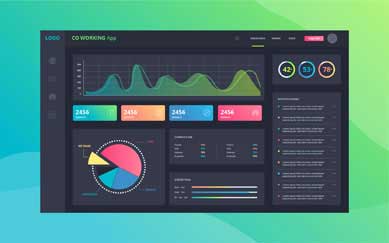
PROJECT / 03
Co Working spaces management Application.
Explore project
Co Working Spaces is the latest trend for all startups. CSMA is the generic application that can be used by any CoWorking Space Provider to acclerate the business and also to provide excellent services to the clients. CSMA is implemented using Bootstrap, Angular, NodeJS, Express and MongoDB.

PROJECT / 04
Online Movie Data Platform.
Explore project
Movie Data platform is the one stop real-time information about any movies released so far. This platform allows the users to get authenticated and access the movies information that can be playable. We use Boostrap, Angular to develop this app.

PROJECT / 05
LetsMeet- A Collaboration tool
Explore project
This Collaboration portal helps different users to post their meet ups information. Admin is responsible to accept or decline any meet up posted by users. The complete information about the meet ups is available once the user gets registered and authenticated by the platform. We use HTML, CSS, Bootstrap, Angular to implement the tool.

PROJECT / 06
Online Results Management System.
Explore project
Online Results Management System is a generic application that can be used by any educational institution to make the results available to the students over the network. Admin is responsible to upload the results. The users need to get authenticated first and then access the results. We use Angular, MongoDB, ExpressJS, NodeJS for this application.

PROJECT / 07
SourceOne- Portal for Placements.
Explore project
SourceOne is the one stop solution for job seekers. This portal helps any job seeker to get the right information about jobs posted by different companies and able to apply them. Admin is responsible to manage jobs posted by companies. We use Angular, NodeJS, ExpressJS and MongoDB to implement the app.

PROJECT / 08
E-LoanSure - Loan Management System.
Explore project
E-LoanSure helps the customers to apply loans through portal. This application reduces lot of paper work and accelerate loan processing. E-LoanSure guarantees the faster loan approval processing for the customers. Different levels of Management authentication and authorization is provided in the application. We use Boostrap, Angular, MongoDB and ExpressJS to implement the system.
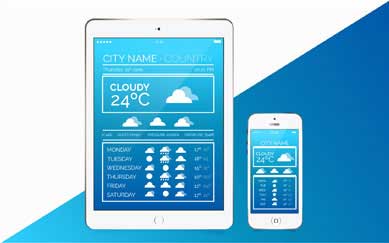
PROJECT / 09
WeatherFC
Explore project
WeatherFC helps the users to get detailed weather forecast information of different countries across the globe. This application does not need any credentials to access the information. WeatherFC is implemented using HTML,CSS, Boostrap and Angular.

PROJECT / 10
EasyABS
Explore project
EasyABS is the doctor Appointment Booking System. This application helps the users to get access to different doctors information in few clicks. EasyABS allows the patients to book their appointment according to their requirement. EasyABS is implemented using Angular, HTML,CSS, Bootstrap and Angular.
Less guessing.
More doing.
Try
Break down a concept with an instructor-led example.
Build
Apply it in a focused lab with a clear goal.
Check
Review what works, what does not and why.
Show
Keep the strongest work as evidence of your progress.
Build skills for
real possibilities.
The path you choose is personal. These are a few directions connected to the skills you’ll practise.
Room to ask.
Support to grow.
Flexible learning
Explore online and classroom options for your course.
Practical experience
Connect concepts through exercises, labs and projects.
Guided learning
Ask questions and develop understanding with support.
Career preparation
Explore portfolio development and interview preparation.
RECOGNITION FOR YOUR WORKFinish with a
Finish with a
certificate of completion.
Complete the Full Stack Masters learning path and its practical work to receive a LearnX Academy certificate of completion.
- Confirms your completed learning path
- Names the course or program you completed
- Supports your portfolio and job conversations
 LearnX Academy
This certificate recognises completion of
Full Stack MastersLEARNX ACADEMY · VERIFIED LEARNINGYour questions.
Who should take the Full stack Masters Program?
- Our Full Stack Masters Program has precisely been developed to reach out to the demand of the learners with keeping in mind the industry standards. This Full stack Masters Program will particularly be helpful for the career advancement of the following audience -
- Graduates from the College.
- Currently working employees looking to upskill themselves.
- Candidates looking for a change in the IT Field.
What are the prerequisites for the Full stack Masters Program?
There are no specific prerequisites for Full Stack training in Hyderabad. If you are familiar with programming and foundation skills with a sense of curiosity and willingness to learn you are all set for the Full Stack Masters Program
When are the classes conducted?
Full Stack Masters Classes are conducted over the Weekdays and Weekends through classroom and online sessions. Please get in touch with the LearnX Academy team to get exact schedule and timings.
What is the duration of the Course?
Full stack Masters Program duration is 50 hours.
What is the duration of the class?
Weekday full stack Training classes will be one hour long and Weekend classes will be three hours long.
What is the course curriculum?
Please find the detailed Full Stack Masters Program curriculum in the LearnX Academy full stack course curriculum section.
Do you help in Interview preparation?
Yes, we will assist our students with all the interview preparation techniques.
✳KEEP YOUR OPTIONS OPEN
Another spark
of curiosity.
Career programs01

CloudOps Masters
Connect your cloud and automation skills.
Career programs02

Job Ready Program
Make your next step a deliberate one.
Career programs03

Cloud Stack Masters
Develop a connected view of cloud technology.
READY TO GET STARTED?Let’s plan
Let’s plan
your next step.
Tell us what you want to learn.
We’ll help you find a course that fits.